Column
Column

What the Snake Carries in Japanese Tattooing, from the God of Mount Miwa to the Serpent of Dōjōji
Before it was a monster, the snake was a god. In the Nihon Shoki the god of Mount Miwa appears as a small snake; the water spirit that brings rain is called the mizuchi; and the woman of Dōjōji becomes a serpent and burns the bell. Chronicles, Chinese texts, Noh and Edo serial fiction help explain these meanings in Japanese tattooing, including how the white snake became associated with wealth.
2026.09.11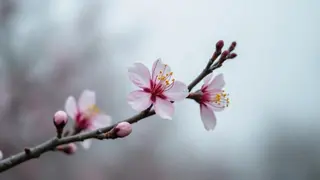
What the Cherry Blossom Tattoo Has Meant, from the Kokinshū to Benten Kozō
A storm of cherry blossoms in a tattoo is said to stand for a warrior's clean death. Yet the oldest example in the dictionaries of "scattering like a flower" meaning "to die cleanly" is a late-Meiji army song. The sources trace these meanings through the Kokinshū, where blossoms evoke transience and offerings; Saigyō's wish; Edo-stage tattoos, including Benten Kozō's; and modern appropriations.
2026.09.11
Wabori vs Tebori: The Basics of Traditional Japanese Tattooing
Wabori and tebori sound alike, but they name different things: one is a style of imagery, the other a way of putting ink into skin. This guide explains gaku backgrounds, mikiri borders, the use of hand-poking today, and the origins of the word irezumi.
2026.08.24
Tattoo Studio Hygiene in Tokyo: The Checklist to Run Before You Book
Alongside the artist's skill, hygiene is an essential consideration when choosing a tattoo studio. Are needles and ink caps single-use? How is sterilization verified? Here is what you can check with your own eyes, and with a few questions, before choosing a Tokyo studio, based on industry guidelines and public-health sources.
2026.08.20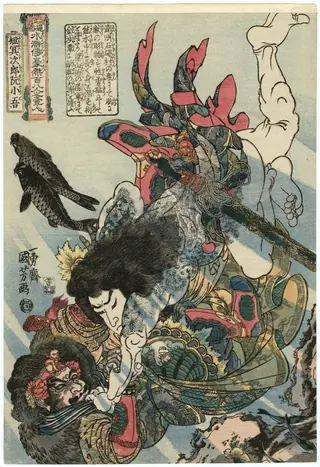
Reading Edo Tattoo Through Tanizaki's "The Tattooer"
In 1910 a young Tanizaki published "Shisei," a short story about a tattooer who inks a spider on a sleeping girl. The fictional artist draws on the world of Edo horimono. Its history helps explain the story, though documented events and later traditions need to be distinguished.
2026.06.27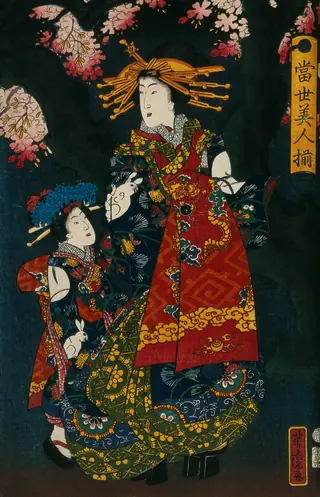
When a Tattoo Meant Forever: Ink and Japan's Pleasure Quarters
Tattoos in Japan have signaled devotion as well as ties to the outlaw world. In the pleasure quarters of the Edo period, courtesans and their patrons inked a name plus the character for life into the skin as a private oath. This article explores the social history of that mark and the conditions in which it was made.
2026.06.27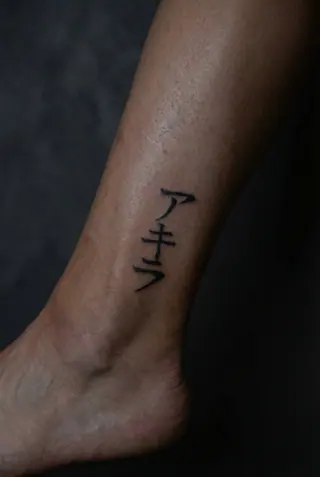
Kanji Tattoos That Went Wrong, and How to Get Yours Right
A single misread stroke can turn "big" into "dog," and a quick app translation can leave you wearing the words for a charcoal grill. Many documented kanji tattoo mistakes come from avoidable checks being skipped. The cases and checklist below explain how to check that your tattoo says what you mean.
2026.06.27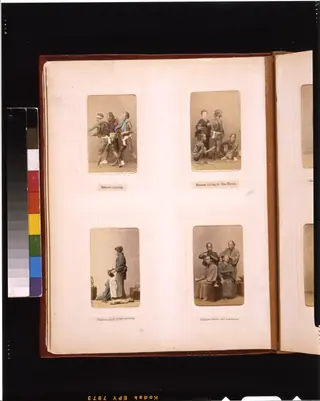
Ink as a Second Skin: The Tattooed Tradesmen of Old Japan
In Edo and early Meiji Japan, tattoos were not only the mark of firemen. They covered the backs of grooms, porters, couriers, and laborers who worked half-dressed and wore ink as a workwear-like covering, as a sign of trade identity, and as plain proof of nerve. This article explores the working history behind those tattoos.
2026.06.27