Wabori vs Tebori: The Basics of Traditional Japanese Tattooing
2026.08.24
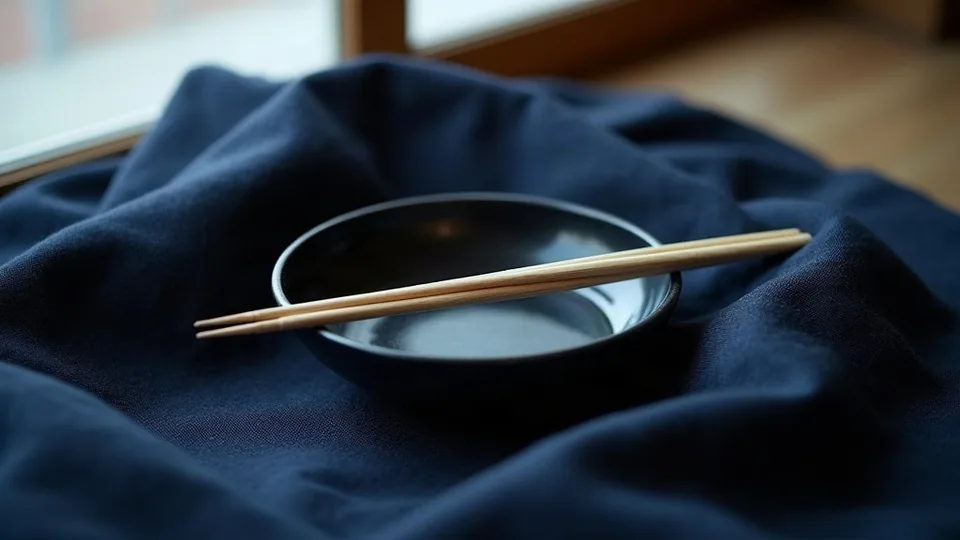
Wabori and tebori sound alike, but they name different things: one is a style of imagery, the other a way of putting ink into skin. This guide explains gaku backgrounds, mikiri borders, the use of hand-poking today, and the origins of the word irezumi.
Two words with 'carving' in them, naming different things
In Japanese, wabori and tebori both contain hori, 'to carve,' and they get mixed up constantly. But in common usage they point at different things. Wabori is sometimes stretched to cover composition, technique, and historical lineage all at once; in this article we use it in the narrower, everyday sense of a style of Japanese imagery, koi, peonies, tigers and the like set against a dark background. That is how this article uses the word, not a definition laid down by the irezumi research cited later[2]. Tebori, on the other hand, generally names a technique: driving ink into skin with a needle-tipped rod worked by hand, no machine. In practice the two senses can overlap, so throughout this guide: wabori = the style, tebori = the technique.
A wabori design can be tattooed by machine or by hand, since the style does not determine the technique. There are wabori-focused studios in Tokyo that draw the outlines by machine and finish the shading and color by hand[5]. Knowing the difference makes studio research and consultations with an artist far easier. How the search terms irezumi and tebori map onto Japanese usage comes later in this guide.
Horimono, the old name, and what 'carving' really meant
Japanese tattoos have long also been called horimono, literally 'carved things'[1]. Yet as research in aesthetics points out, tattooing does not carve the body like sculpture; it punctures the skin with needles and sets ink into it[1]. The word 'carve' may conjure woodblock work, but in reality color is placed little by little with fine needles. The same study of Edo-to-Meiji-era texts notes that terms like irezumi and horimono were used with real ambiguity even then[1].
The abundance of names shows up in modern official data too. The National Diet Library's authority record for the subject heading 'irezumi' lists tattoo, hajichi, shisei, bunshin, horimono, and Tattooing among its synonyms[3]. This variety of terms can be confusing. In a consultation, it helps to clarify whether a term refers to the style or the technique.
The skeleton of wabori: subject and gaku
A wabori design is often described as a pairing of the shudai, the main subject, and the gaku, the background 'frame'[6, 7]. The portfolio of one wabori-focused Tokyo studio lists elements such as peonies, chrysanthemums, cherry blossoms, oni, tigers, koi, turtles, and Buddhist figures, set against backgrounds of clouds, rocks, and water[5]. The field that spreads behind the subject is the gaku. One source describes the gaku as background work rendered in graded black, into which clouds, flames, waves, lightning, or drifting cherry petals may be woven, decorations sometimes called kesho[7]. Terminology varies between artists and lineages, but the distinction between subject and background is a useful starting point.
The gaku helps organize the whole design. The official site of a Shinjuku-based tattooer explains that in traditional Japanese tattooing the gaku determines how the piece is bordered (mikiri), its composition, and its overall balance[6]. The same site touches on how the unifying black relates to the shading[6]. The gaku, in other words, works like a blueprint: it sets off the subject while wrapping the whole piece around the shape of the body. Names for its details vary by artist and school, so treat these as guideposts rather than law.
Mikiri: even the border with bare skin has a name
In wabori, even the boundary between inked skin and bare skin has a name: the mikiri. One source describes the mikiri as the border between skin and ink, or the trimmed edge of the piece as a whole[7]. Named forms include botan-mikiri (peony border), butsugiri (straight cut), akebono-mikiri (dawn border), and jari-mikiri (pebble border), though the names and categories vary between artists and lineages[7]. Same subject, same gaku, and a different mikiri will still transform the finished impression.
Mikiri design determines where the tattoo ends on the curved, moving surface of an arm or back. That edge shapes the impression of the whole piece. At your consultation, discuss how you would like the design to meet the surrounding bare skin, as well as the imagery itself.
How artists use tebori today
Artists continue to offer hand-poked tattooing. The official site of Horiren the First, a working tattooer, lists three ways a piece can be made: all-machine; 'tebori' in which the outlines are done by machine and the rest by hand; and full hand-poking from start to finish, called shamisen-bori[4]. Under this artist, hand only, machine only, or a blend of both are all options on the table today[4].
The blended style appears at other studios too. A wabori-focused Tokyo studio states plainly that it draws outlines by machine and does shading and color by hand[5]. Another tattooer works machine-first but picks up the hand tools where the piece calls for them[6]. Outlining and shading simply favor different instruments. Which approach fits your design varies by artist and by image, so ask when you book.
Irezumi abroad, and how the names connect
The National Diet Library's authority data romanizes the subject heading for Japanese tattooing as Irezumi[3]. An English-language psychology study, published online in February 2025, likewise uses irezumi for traditional Japanese tattoos and lists horimono, shisei, monmon, gaman, gei, and bunshin as synonyms, noting that horimono is used to mean a traditional Japanese tattoo[2]. These are attested spellings in the literature, not a guarantee that every term will be understood everywhere overseas.
That study surveyed 174 tattooed people in Japan (124 men, 50 women): 76 in the traditional-Japanese-tattoo group and 98 in the Western-tattoo group[2].
Your first consultation: what to actually ask
Start your consultation with the style: if you want wabori, describe the subject you have in mind and how far you would like the gaku to extend. Then technique: full tebori, machine outlines with hand-worked shading and color, or all machine; what is offered differs from artist to artist[4, 5]. Which method suits your design, and how many sessions it will take, are exactly the things to ask in person at a consultation.
When an artist or studio catches your eye, book a consultation to discuss both the design and how it will be tattooed. Your preferred subject, gaku, mikiri, and shading can guide the conversation about which techniques suit the piece.
FAQ
What is the difference between wabori and tebori?
In common usage, wabori names the traditional Japanese style of imagery, while tebori names the technique of tattooing by hand with a needle-tipped rod. A wabori design can also be tattooed by machine, so the two words are not interchangeable.
Can you still get tattooed by tebori today?
Yes. Full hand-poked work is still offered, as are blended approaches where the outlines are done by machine and the shading and color by hand. Methods vary by artist, so ask when you book.
What is the difference between tebori and irezumi?
Tebori refers to the hand-poking technique; irezumi refers to traditional Japanese tattooing itself. English-language academic writing also uses irezumi as the term for traditional Japanese tattoos.
What is the gaku in a Japanese tattoo?
The gaku is the background field rendered in graded black behind the main subject. Clouds, flames, waves, lightning, or drifting cherry petals may be woven into it, and it both sets off the subject and pulls the whole composition together.
References
- [1] 平井倫行. 刺青は「彫る」ものであるか:日本刺青の「用語法」と「衣裳性」を中心に. (美学会『美学』, 2018). doi:10.20631/bigaku.69.2_25. Link
- [2] Tomohiro Suzuki, Tomoo Okubo. An Empirical Study of the Actual Conditions, Current Attitudes, and Psychological Outcomes of Tattooing Among Japanese People. (Japanese Psychological Research, 2025). doi:10.1111/jpr.12584. Link
- [3] 国立国会図書館. 入墨. (国立国会図書館 Web NDL Authorities, 2019). Link
- [4] 初代 彫蓮. 施術スタイル. (JAPANESE TATTOO ARTIST 初代 彫蓮, 2018). Link
- [5] Yuya Matoba. TRADITIONAL JAPANESE TATTOO STUDIO TOKYO. (Inked Cat Tattoo Studio, 2020). Link
- [6] Monta Morino. STYLES. (江州 彫雅). Link
- [7] 刺青の額彫り(見切り)の美しさ−額や見切りの種類について. (DOTT, 2017). Link
Japanese tattoo in Tokyo
Turn Japanese tattoo history into a custom design
Explore traditional motifs, modern Japanese compositions, and the consultation process with our English-friendly Ueno studio.
Related Articles

What the Snake Carries in Japanese Tattooing, from the God of Mount Miwa to the Serpent of Dōjōji
Before it was a monster, the snake was a god. In the Nihon Shoki the god of Mount Miwa appears as a small snake; the water spirit that brings rain is called the mizuchi; and the woman of Dōjōji becomes a serpent and burns the bell. Chronicles, Chinese texts, Noh and Edo serial fiction help explain these meanings in Japanese tattooing, including how the white snake became associated with wealth.
2026.09.11
What the Cherry Blossom Tattoo Has Meant, from the Kokinshū to Benten Kozō
A storm of cherry blossoms in a tattoo is said to stand for a warrior's clean death. Yet the oldest example in the dictionaries of "scattering like a flower" meaning "to die cleanly" is a late-Meiji army song. The sources trace these meanings through the Kokinshū, where blossoms evoke transience and offerings; Saigyō's wish; Edo-stage tattoos, including Benten Kozō's; and modern appropriations.
2026.09.11
Tattoo Studio Hygiene in Tokyo: The Checklist to Run Before You Book
Alongside the artist's skill, hygiene is an essential consideration when choosing a tattoo studio. Are needles and ink caps single-use? How is sterilization verified? Here is what you can check with your own eyes, and with a few questions, before choosing a Tokyo studio, based on industry guidelines and public-health sources.
2026.08.20